Let curiosity last. Let them discover on their own.
An AI-powered voice discovery app for children. Your child asks by speaking or typing, tries, and finds out on their own. You see every chat from the parent account.


Free for 7 days, then a monthly subscription
Cancel anytime · Two child profiles on one subscription
What do you want to discover today?
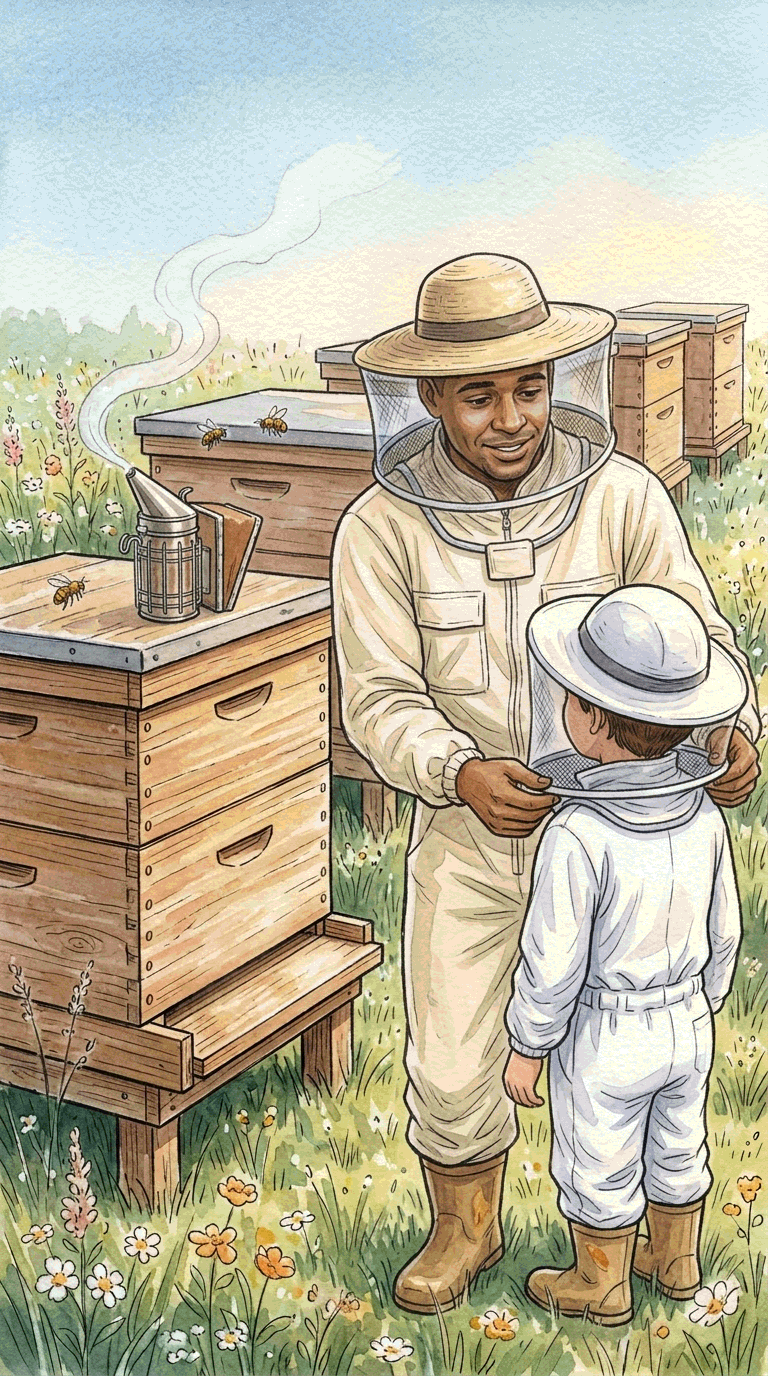
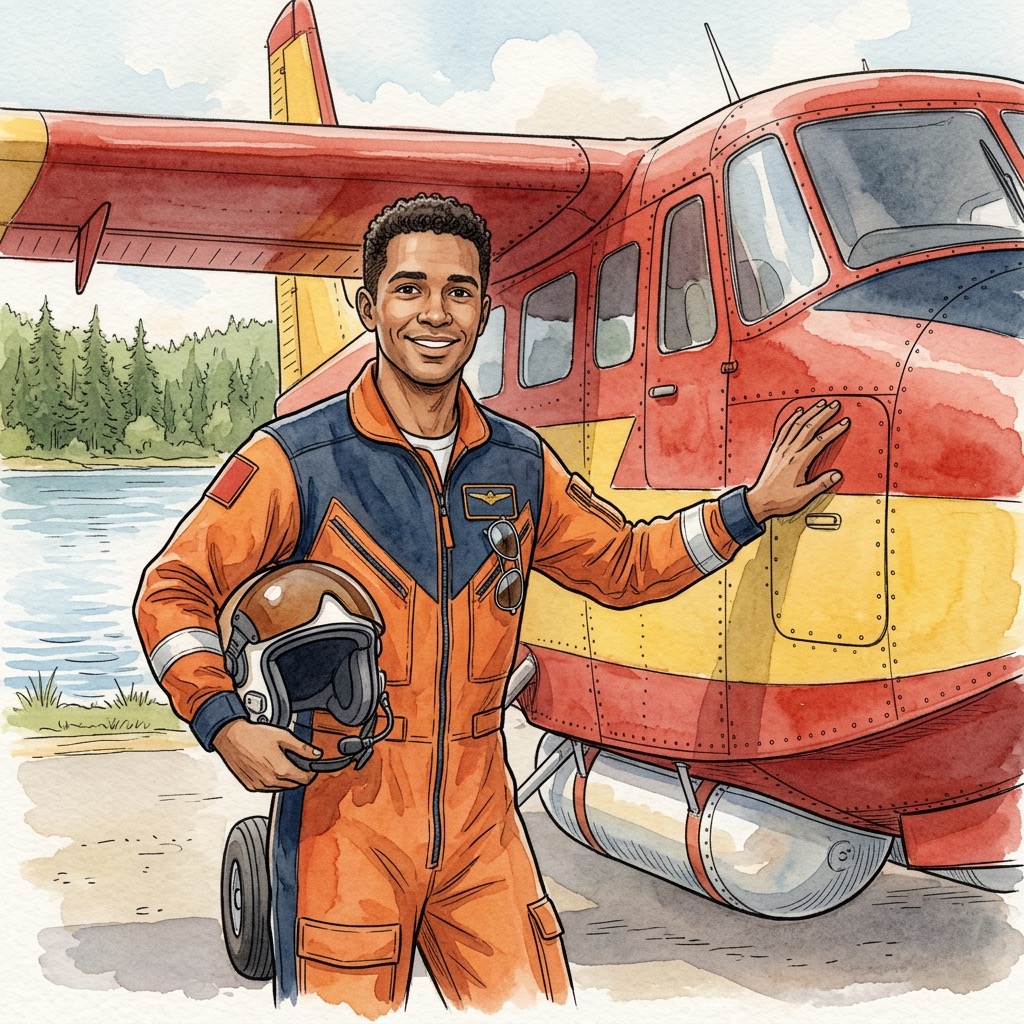
Four kinds of discovery. Each one adapts to your child's age and connects to a topic from school.



A child notices not only what they discovered, but how they discovered it.
Every mission follows the same three steps: first the child decides how to figure it out, then tries and adjusts their path, and finally looks back at what they learned. Below are three moments from the “The Steam Locomotive Wakes Up” mission.
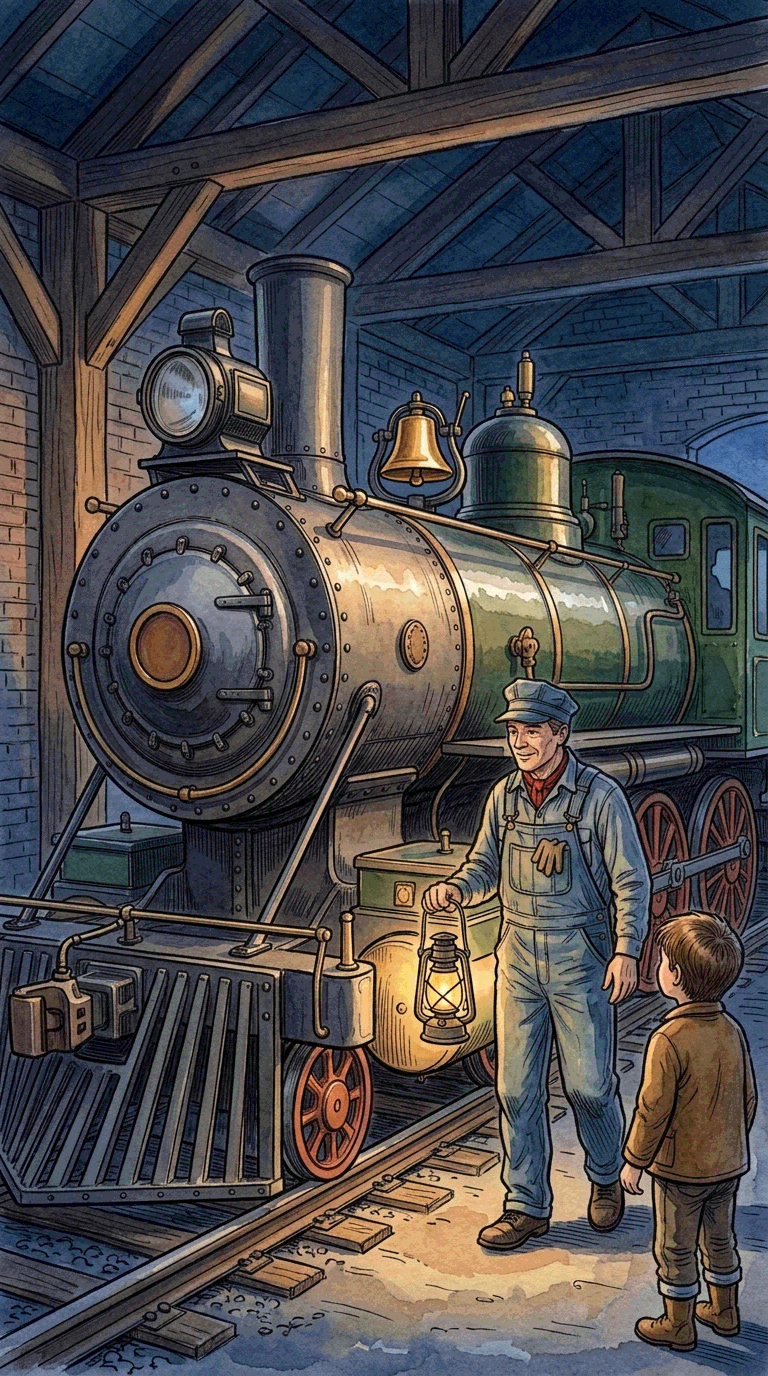
The child first decides what to look at.
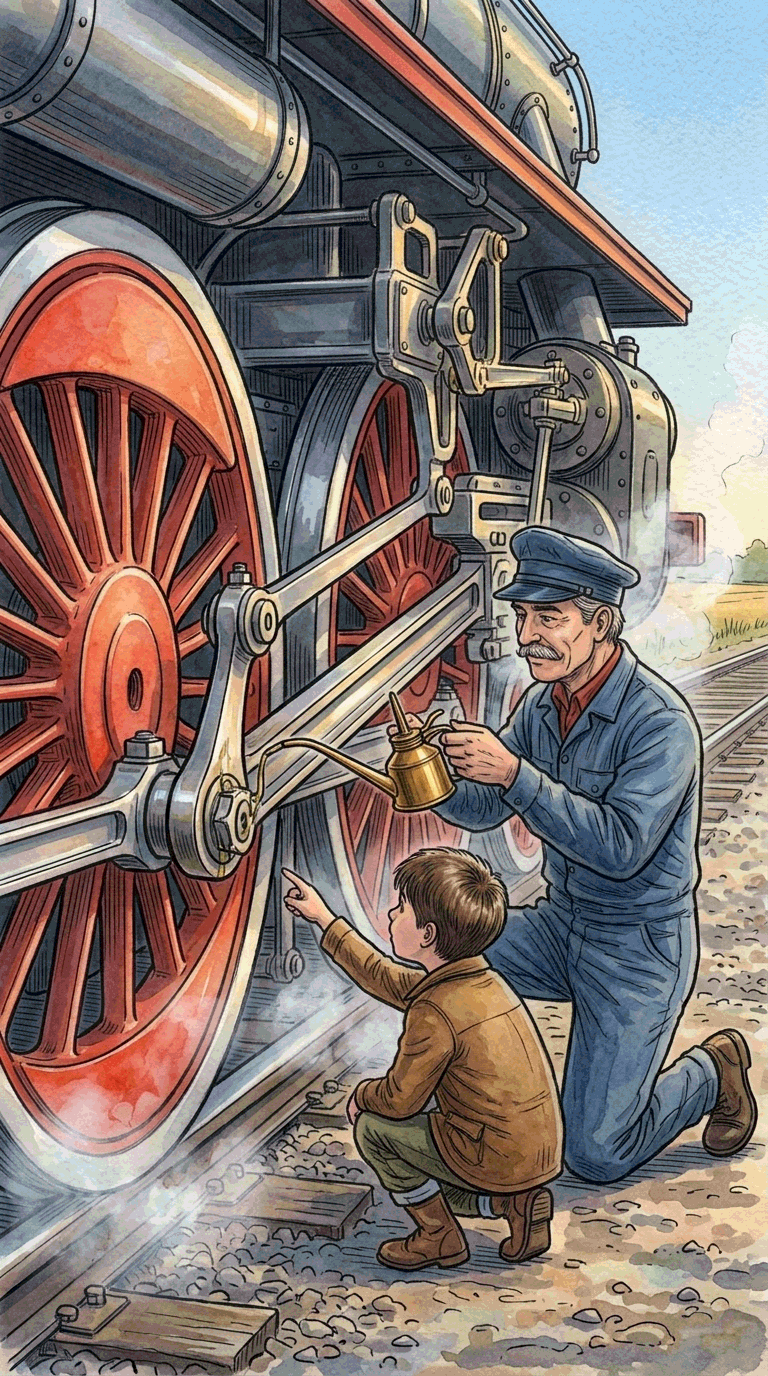
They notice a new clue and work out the reason themselves.
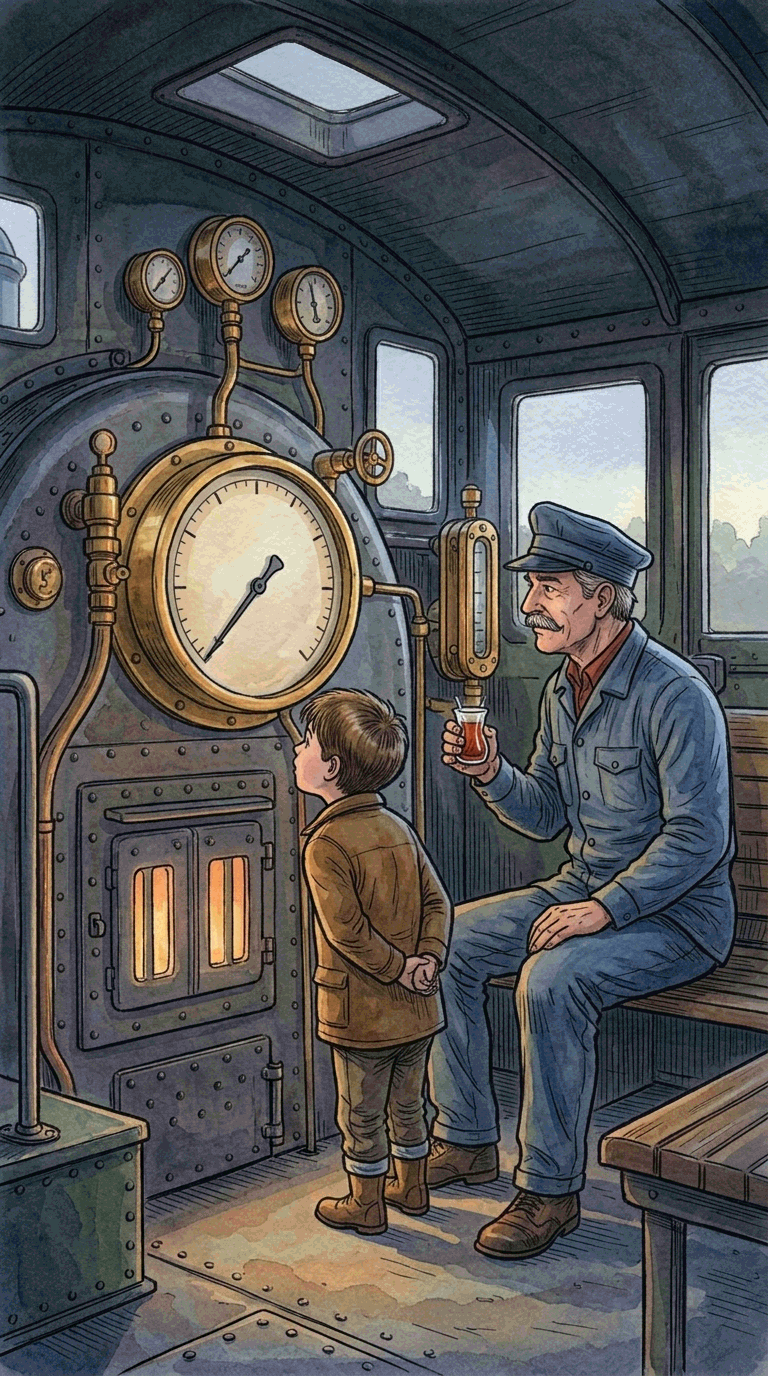
They update their first idea with the new information.
The dialogues are a sample flow. Source: the self-regulated learning model (Zimmerman, 2002).
Same question, two different ages
One question and a clue they can try with their body. Step names are never said out loud.
It invites them to build a chain of cause and effect and to review their own plan.

They discover. You follow along.
At the end of every mission you get a short summary. Instead of a score, you see:
Instead of watching passively, they talk, try, and find out.
Time in HeyKids is time spent creating. The child asks questions, makes guesses, changes course. It lasts as long as the curiosity does.
A screen for making
Every minute, the child is talking or typing.
Missions with an ending
Missions move scene by scene and come to an end; at the finish HeyKids asks the child what they learned and says goodbye.
A guide
HeyKids is in no hurry to give the answer; it offers a clue, waits, and makes room for the child to try again. The child finds the answer.
The limits of the AI, stated openly.
How the conversation is protected
Your data
For every child
Team
HeyKids was founded by two parents who believe in children's curiosity and use technology to support it.

Works on HeyKids' product, learning experience, and growth.

Builds HeyKids' artificial intelligence, voice, and technology.
For more curious tomorrows
For partnerships and questions: [email protected]
It stands beside school.
HeyKids missions touch on life studies, science, and social studies topics. They help your students carry the curiosity that starts in class on at home. If you'd like to try it at your school, write to us and we'll plan a pilot together.
Write to us for your schoolStart with a question today.
Frequently asked questions
A safe curiosity and discovery app designed for children ages 6–12. Your child talks with historical characters, sees jobs from inside a real workday, and discovers on their own in missions. Parents can see the chats and follow what their child is curious about.
HeyKids is a discovery space designed for ages 6–12. Your child chooses among historical characters, jobs, and missions that move scene by scene. Language and content follow their age, every mission is a structured discovery, and every chat is visible from the parent account.
Yes. Chats run with the AI in real time, so an internet connection is needed.
Every character and mission speaks within a script written for children; an off-topic or sensitive question is gently brought back to the mission. Every chat stays in your parent account, so you can read it too. If you spot something wrong, write to [email protected] and we'll fix it.
Every character is built from published sources: memoirs, biographies, and documents from the period. Vecihi Hürkuş speaks from his own memoirs, Evliya Çelebi from his Book of Travels. Characters speak with the knowledge of their own time, in language that suits the child's age.
The first 7 days are free; after that it's a monthly subscription, priced in your local currency in the App Store or Google Play. One subscription covers two child profiles.
Yes. Cancel anytime in the App Store or Google Play subscription settings. Access lasts until the end of the current period, and the next period is not charged.
Yes. Missions touch on life studies, science, and social studies topics; a topic opened in class goes deeper at home. To try it at your school, write to [email protected].
Missions can relate to primary-school life studies, science, and social studies topics. If you'd like to match one to a topic in your class, write to [email protected] and we'll look at it together.
